Plenty of executives are wondering — sometimes quietly, sometimes out loud — how much of their workforce they can replace with artificial intelligence. But what if the executives themselves are replaceable?
What may sound like far-off science fiction is being seriously considered by the upper echelons of power in corporate America today. Mark Zuckerberg, CEO of Facebook parent Meta, and Eric Yuan, CEO of Zoom, are among the executives who are reportedly thinking about it.
Just about two years ago, Yuan suggested that in his ideal world, he would have used a digital version of himself to handle an interview with a reporter.
“I can send a digital version of myself to join so I can go to the beach,” he told tech news site The Verge at the time. “Or I do not need to check my emails; the digital version of myself can read most of the emails. … I truly hate reading email every morning.”
With all that in mind, CFO.com sought to find out how finance leaders are responding to such developments. In the first of our two-part series on digital clones, we asked a range of finance chiefs: If the technology were available to you tomorrow, would you use it?
Matt Frazee, CFO of National Life Group (life insurance company)
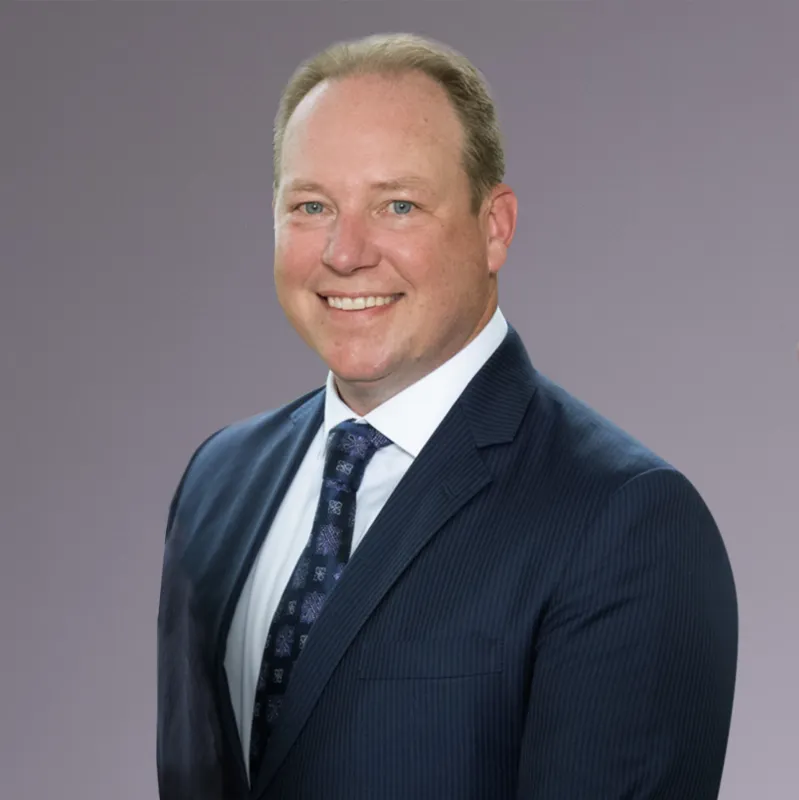
“I probably wouldn’t. There are certain life experiences or customer stories that reside in my head. I like to use stories and examples when I’m explaining a point. So much of that comes from my own experience and isn’t necessarily out there for an AI to pull from today. If it got to where it had all those experiences, it might be different. But in general, some experiences and relationships are too personal to get pulled out in that way.”
Caesar Pereira, CFO of Community Coffee (coffee distributor)
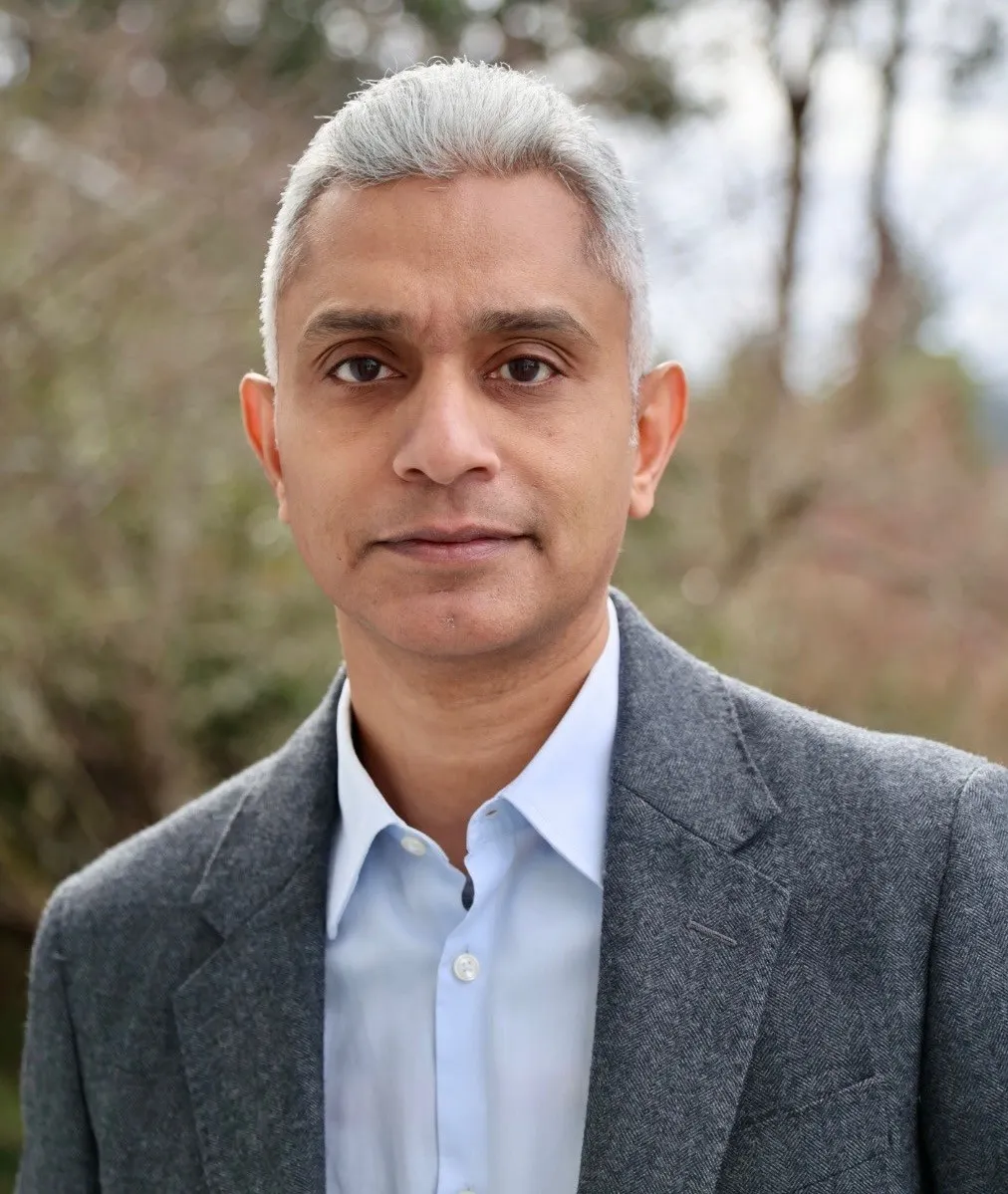
“Not as long as I can prevent it. I appreciate the brain part of this endeavor, but nothing can remove the heart and soul of an engaging leader, whoever the stakeholder may be, whether it’s an analyst, shareholder, employee or shareholder. At least in my industry, which is (consumer packaged goods), our products are not grown, manufactured, delivered or consumed over Wi-Fi. It’s a physical thing. Someone’s ensuring quality on delivering, and then someone else is consuming it. The least my stakeholders could expect from me is to have a dialogue with them live and in person, and with my brain and heart.”
Matt Kosovsky, CFO of Thrive (IT managed services provider)

“Probably very sparingly, and I would almost want to shadow my own clone for a period of time before I trusted it independently. We don’t know what AI and technology are going to bring over the next chapter. Certainly, there’s potential for making our collective lives more efficient. There’s a massive opportunity for that. But there’s also a lot of inherent risks. So, for this use-case specifically, I would be pretty apprehensive at first, but interested to see how the technology continues to advance.”
Brian Beaupre, CFO of Teikametrics
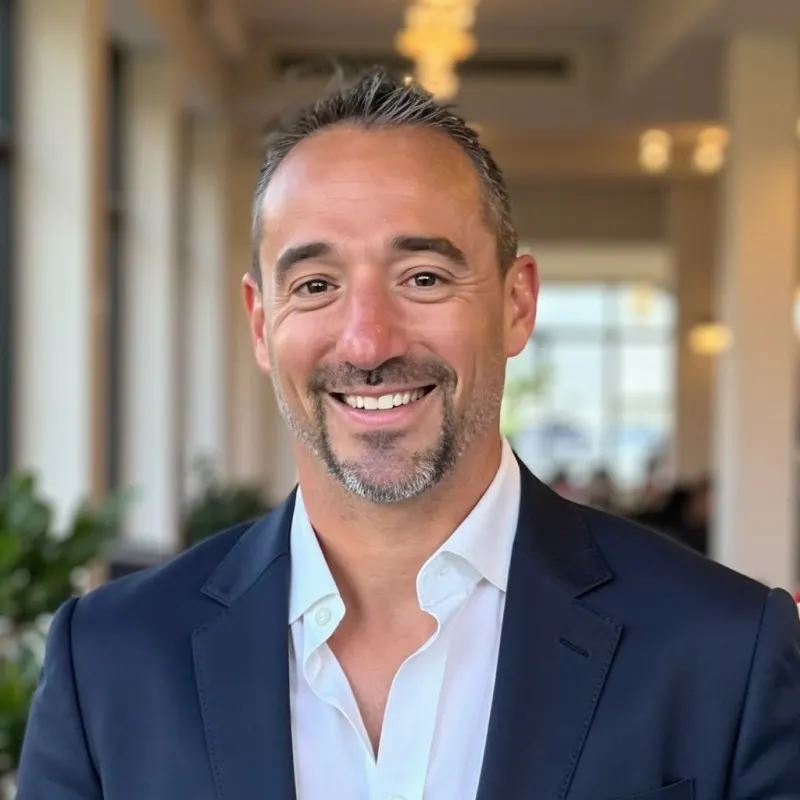
“What I would say is that no matter what AI is doing right now, it’s not necessarily binary and replacing a lot of what’s happening today, but it should be supplemental. I say that in the sense that it doesn’t replace understanding what’s actually happening in the business.
Yes, it’s going to eliminate a lot of the day-to-day grind and heavy lift that you have, but it hallucinates, and it’s going to spit you out things that are not accurate. So, you need to be that validation layer. There’s a human validation layer, and I think there’s a technological validation layer.
If this clone was available, I think you have to be really intentional about the areas that you’re going to automate and rely on more heavily than others.
No matter where that falls on the spectrum, you need to make sure that you have people, process and technology in that order, and you can’t skip steps. Wherever you’re going to overlay that technology and innovation, you can’t use it to short-circuit the chronology that I think is hugely critical.
You have to have the right people in place. You have to have the right processes in place. Then you overlay technology to make things more efficient and free up bandwidth so that the finance function isn’t a fulfillment function, but something that enables the rest of the business and democratizes the data that’s foundational to making decisions.”
Scott Bennion, CFO of Paystand (B2B payment and software firm)
“No, because I enjoy what I do. Why would I want the clone to have the fun?”