Marina Dikos says she wasn’t looking to leave her 14-year career at U.K.-based infrastructure giant Balfour Beatty when an opportunity to become CFO came across her desk.
But the finance chief of Morgan Properties, one of the largest apartment owners in the United States, was planning to retire, and the company was on the hunt for a successor. It was an opportunity she couldn’t turn down. “I saw their trajectory, and how they were growing,” Dikos says of Morgan Properties. “I’ve always been in real estate, so I made the move.”
In May 2021, Dikos started as senior VP and chief accounting officer for Morgan. Just about a year-and-a-half later, she took over as executive VP and CFO.
In an interview with CFO.com, Dikos talks through managing an ever-growing portfolio of properties and explains why her company has adopted a joint-venture model for acquisitions.
Marina Dikos
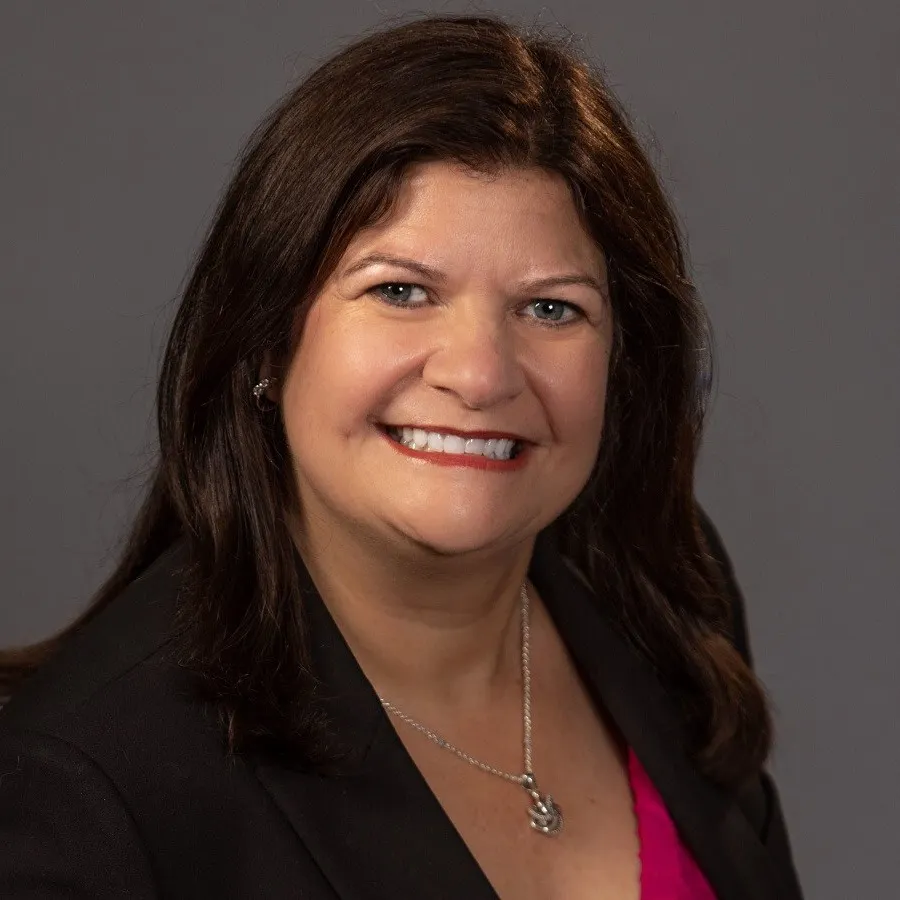
CFO, Morgan Properties
First CFO position: 2023
Notable previous employers:
- Balfour Beatty
- KPMG
Editor’s note: This interview has been edited for brevity and clarity.
DAN NIEPOW: When you were promoted to CFO of Morgan Properties in 2023, the company was the third-largest apartment owner in the country, per National Multifamily Housing Council statistics. It’s since moved up to second place and acquired many more properties. What’s your approach to managing financials for an ever-growing company?
MARINA DIKOS: When we have a new acquisition, on day one, they’re on our systems. That’s been helpful in managing the financial systems themselves. We do a lot of that work pre-acquisition. My controller and his key people make sure everything gets transferred over correctly. They’re working with IT very closely, doing tie-ins. From a financial perspective, that allows us to be ready for timely reporting after an acquisition.
As for managing a huge portfolio and financial results, I focus on different reviews. That could be consolidated reviews, geographical reviews or reviews of our different joint-venture partners.
Aside from getting bigger, how else has Morgan Properties changed since you first joined in 2021?
There have obviously been several changes, but one of the key things that I would point out is our processes and structures.
When I first joined, my approach was very simple: Never let growth outrun your infrastructure. It’s very common for companies that start off small and then grow pretty rapidly over a short period of time. All of a sudden, your systems and processes aren’t keeping up. So, a lot of the change we experienced was just relooking at and rethinking our processes. My favorite question was always why. Why are we doing that? What are we trying to achieve? What’s the result you’re trying to get to?
And it wasn’t just in my department; I saw that throughout the organization. We were all people looking at internal processes and bringing them up to become more scalable.
The other thing is that at a smaller company, people tend to wear multiple hats. One example: There wasn’t a dedicated treasury department. So, within my own group, I created a treasury function. Now that we have 430-plus properties, we can’t have a part-time treasurer trying to manage all that cash flow. We also created a revenue management team.
Those moves also enabled us to find ways to improve resident experience. That involved taking some admin tasks out of property managers’ hands so they can focus on the resident experience, for example.
Your COO previously told Multifamily Dive that you have nine different joint venture partners you acquire assets with. Can you explain a bit more about how this strategy works and why you’ve chosen to adopt it?
All our partners are institutional investors, and some of them come to us from other lines of business. At Morgan, we’re very opportunistic with our acquisitions. We’re in about 22 different states, so our acquisitions are in different geographies and different sizes. We try to align our acquisitions with joint ventures’ interests. Some of our joint-venture partners only want to do large portfolios. Some don’t. Some might only want to invest in the Midwest or another region. That’s why we have different types of partners we work with.
Morgan Properties got its start in workforce housing. How does that slot into your portfolio today?
The makeup of our portfolio is primarily workforce housing and older vintage. Over 50% of our portfolio is ‘60s or ‘70s vintage. Our newest assets are from the 2000s, but we don’t have too many of them.
Typically, we’re talking about older, garden-style apartments. We know how to maintain them, and we believe the (Class B residential) space is a good place to be in. When the economy is doing well, you may have folks in the C-type apartments looking to upgrade to a B level. When the economy’s not doing well, folks at A-type apartments might go down to B level. We think we’re in a sweet spot.
You previously worked at Balfour Beatty Investments for over a decade. What did you take away from that experience that still informs your work today?
My experience at Balfour Beatty has helped me tremendously. When I was there, they celebrated their 100th anniversary. It’s a large public company, so it already had a lot of processes built for growth over that time. I could take a lot of those things we did at Balfour Beatty and bring them over to Morgan Properties. One example was bringing EFT payments to vendors, whereas before everything was via check. To me, that’s strengthening controls, as well.
I think a big piece was just knowing how to become scalable, and making sure that you’re building everything in for the growth.
What are your thoughts on using new technologies like large language models or agents in finance? Are you personally evaluating or using any such tools?
One thing about me is I embrace change. I embrace ways that we can strengthen our controls, where we can become more productive and efficient, especially with the growth trajectory of our company. I’m always looking for ways we can become more scalable. So, I look at some of this machine learning as an opportunity to help us get there.
We are creating a strategic roadmap on what’s become the buzzword of AI, and our adoption of it. We’re doing it very thoughtfully and making sure we have the right governance around these tools. The thing that we focused on first was building our data warehouse. We’re not 100% complete, but we’re getting pretty close. There’s a lot going into cleaning your data.
And the important thing is, it’s our data; we own it. That helps us assess: Does it make sense for us to build our systems in-house, or buy it elsewhere? I think it gives us a competitive advantage.
From a finance perspective, I’m embracing AI where it makes sense to use it. The key things for me again are: Is it helping us become efficient and more accurate? Are we getting an ROI on it?