Colleagues might describe Jason Godley as a New Age CFO.
An accomplished mindfulness meditator, Godley draws on insights from a master’s degree in applied positive psychology to support his team and bring fresh perspectives to colleagues.
Underneath this enlightened approach to leadership is a classic finance foundation that includes an undergraduate accounting degree and a finance MBA.
Godley began his career in accounting positions at PwC before moving into investment banking at Citi and later, Jefferies, where he advised software and enterprise technology companies on capital markets and M&A transactions. He subsequently served as CFO of IO Data Centers and Fastaff Travel Nursing.
At fuel delivery company Booster, the Coloradan served as CFO, COO and president before returning to his software roots as CFO of Xactly, an AI-powered revenue solutions provider, in early 2023.
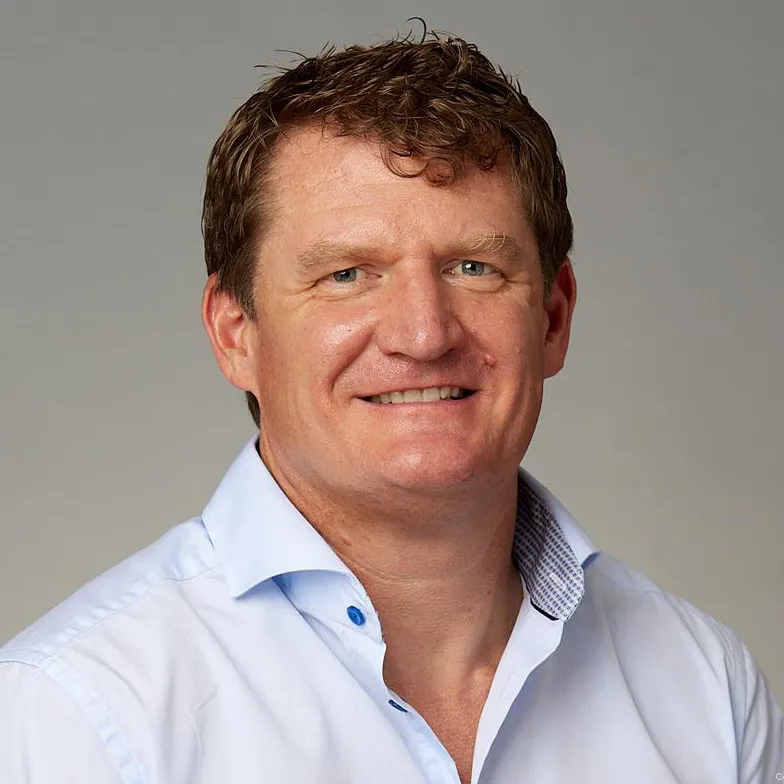
Jason Godley, CFO, Xactly
First CFO position: 2014
Notable previous employers:
- Booster
- Jefferies
- Citi
This interview has been edited for brevity and clarity.
SANDRA BECKWITH: You were the president of fuel delivery company Booster before joining Xactly. Why did you leave to become a CFO again?
JASON GODLEY: While I’ve spent most of my career with private equity-backed enterprise technology businesses, I had this itch to work with a startup. Booster, a venture capital-funded startup, offered that opportunity. I joined as CFO and added COO responsibilities before being named president.
It was a tremendous experience, but I left because only a subset of my financial skills were being used in the venture capital startup world. Returning to a private equity company would let me leverage the breadth of my experience.
This is your fourth CFO position. How are you leveraging that deep experience to support Xactly and its goals?
In a private equity-backed environment, the CFO is a conduit between the business, investors and CEO. Having spent a lot of time with private equity investors already, I know how they communicate and what they expect. I’ve been able to quickly explain to them how what we’re doing in the business aligns with their expectations.
At the same time, my experience helps me balance those expectations with reality and find common ground where everyone feels successful.
I have also run sales, marketing, HR and field operations, so I empathize with my business partners who manage those functions. Because I’ve been in their shoes, I’m a better partner and a more effective finance leader.
You pursued a master’s in applied positive psychology recently. Why that degree, and how do you use it professionally?
About 10 years ago, I became very interested in what makes people tick. What motivates them? What does the good life look like? In 2022, I enrolled in a master’s program to find out.
Here’s one way I’m incorporating what I learned into my job: Research shows that people want to feel like they matter at work. To matter, they must believe they both add value and feel valued. So, I try to enable my team members with tasks that are challenging and interesting – where they feel like they’re adding value. At the same time, I make sure they feel recognized and rewarded for that work.
I’ve also used what I learned about people who are naturally optimistic to offer a training session for our executive staff on how to be more optimistic.
Meditation is important to you. What’s the workplace value of that practice?
My applied positive psychology master’s capstone thesis addressed whether mindfulness meditation can improve leadership behavior. Working with a well-known neuroscientist, I explored whether meditation led to better decision-making, improved creativity, better relationships and a higher degree of authenticity, among other benefits.
I discovered that ultimately, it does, in part because it opens your mind to a different way of thinking, being and interacting. That, in turn, can help you become more self-aware and open-minded.
Looking back on your entire career, what do you think was the most pivotal moment?
There are a few, but one that stands out as having a significant impact is the way my accounting experience taught me how to both write and crystallize my thinking through writing.
Accounting work often involves taking an accounting position on an event when the situation isn’t black or white. You study the accounting literature, apply it to the situation and reach a conclusion. Then you explain that recommendation in writing.
It’s a logical process that forces clear thinking – and communicating – around a particular accounting topic applied to a specific situation. I’ve since used that skill throughout my career.
What advice would you give to others in finance hoping to become CFOs?
Understand that when you’re trying to drive business outcomes, everything is about trade-offs. That’s why I often communicate with my board, CEO and peers through trade-off language.
Let’s say the CEO has an idea. Rather than respond that it’s a good idea or a bad one, I will say, “That’s interesting. Let’s talk about the pros and cons.” Then you’re having a conversation about the trade-off decisions. In doing so, you’re more likely to reach the best solution for the company together.