LinkedIn has become a common place for CFOs to share perspectives, stay visible and engage with peers across the finance community. As more executives use the platform, questions remain about how to show up in a way that feels credible and useful without slipping into cringe territory.
For this edition of the Peer Audit series, we asked CFOs: How can you build a strong presence on LinkedIn without being cringy?
Hugo Doetsch, CFO, AuditBoard (risk management and compliance software)

“I look at LinkedIn two ways. First, it’s the network. I don’t even take business cards anymore. It’s just, ‘Let’s connect on LinkedIn.’ It’s where I create, grow and manage my professional relationships. The second part is brand, whether that’s awareness for your company or equity for you as an individual.
I’m not a big social media person. I’m not on Instagram or Facebook, but I am on LinkedIn. As an executive, you’ve got to have a profile there. In some ways, it’s like being a professional athlete. You have to make sure your image, your reputation and your results are spot on. LinkedIn is part of that.”
Nick Araco Jr., founder and CEO, CFO Alliance (mid-market CFO networking group)

“The best CFO content leads with perspective, not promotion. It’s simply, ‘Here’s what I’m seeing, here’s what I’m learning, and here’s what I’d do differently,’ with no sales pitch required. CFOs see patterns that most leaders don’t: Decision tradeoffs, execution breakdowns, operating cadence, capital allocation and forecasting reality versus theory. That’s the gold. People follow CFOs who help them think.
You can be human without oversharing. You don’t need to put your personal life on display to be relatable. A short lesson from a board meeting, a hard call you had to make or how you handled a miss is enough. Most CFOs also underestimate the power of commenting. Thoughtful comments on other people’s posts build visibility and credibility faster than posting into the void.
Consistency beats volume. You don’t need to post every day. Two to four strong posts a month is plenty if they’re specific, useful and grounded in real experience. Skip the motivational fluff and avoid becoming one of those ‘LinkedIn voices.’ CFOs earn followings by being clear, direct and practical.”
Wassia Kamon, CFO, Access to Capital for Entrepreneurs (small business lender)
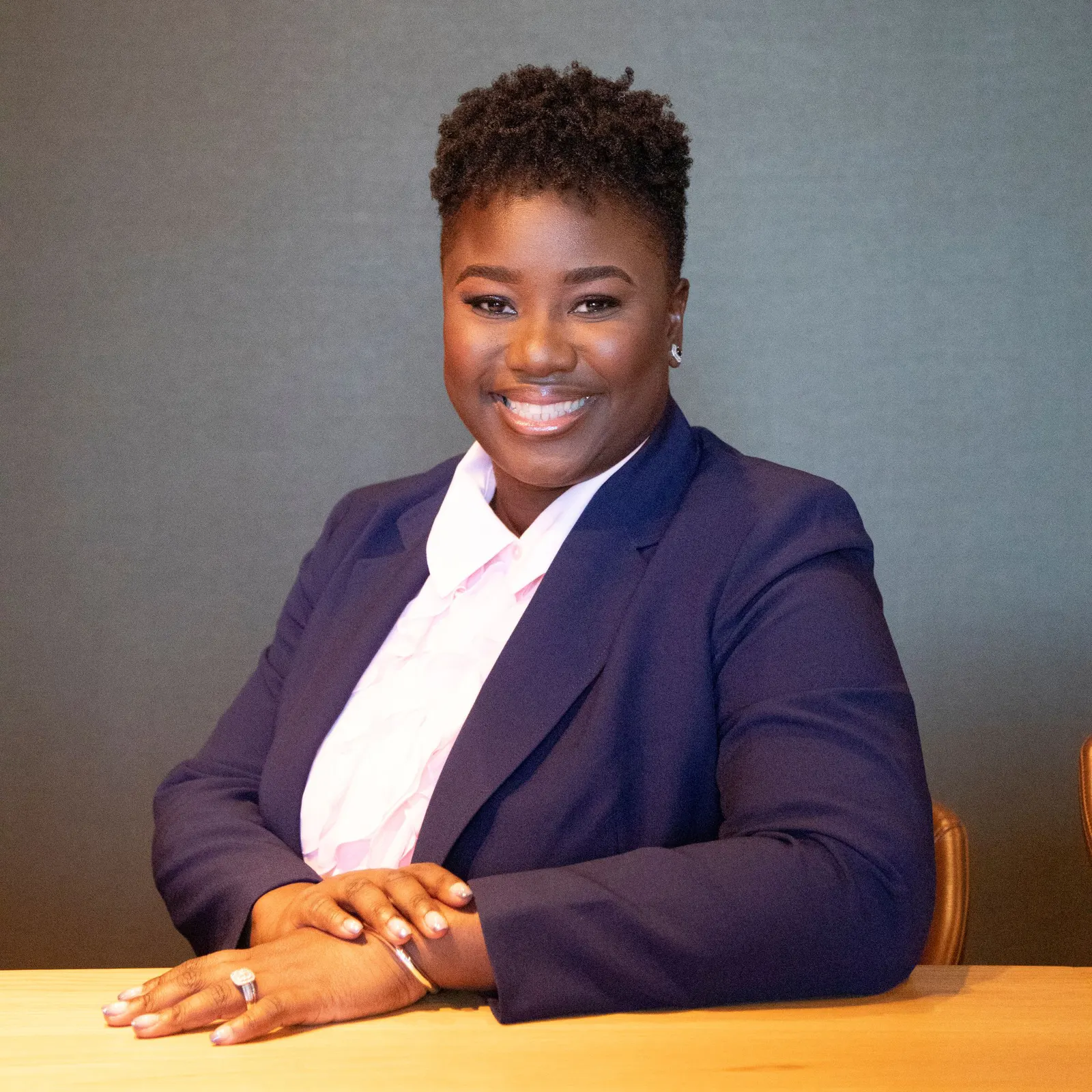
“I don’t think about LinkedIn as a content platform. I think about it as a credibility platform, especially as a CFO. CEOs, peers, employees, board members and investors will Google you or look you up on LinkedIn before working with you. LinkedIn has become the first impression of your professional life. When I think about being authentic on the platform, I think about that first impression. There should not be a gap between how I talk on my podcast or write on LinkedIn and who I am in real life as a leader and as a person.
That consistency is the basis of everything I post, and it’s how I’ve gotten some of my biggest opportunities, including my current CFO role, which came from a recruiter who found me on LinkedIn. The platform has gotten louder with AI, but being a real person with a real point of view still stands out to the people who matter most. My advice is to start with what you are already known for offline.
Pick one or two topics and write once a month. That alone gives you 12 pieces a year. Over a decade, that’s 120 touchpoints for people to understand who you are, what you stand for and what you bring to the table. You don’t need to be everywhere or chase likes. You just need to be consistent and real.”
Jack McCullough, president, CFO Leadership Council (community-based CFO networking group)

“Don’t go to ChatGPT or whatever tool and just use it. We can all tell. I use GenAI to rewrite, but not to write originally. That’s the difference. Try to come up with something original, be authentic and don’t keep saying the same things.
My favorite CFO to follow on LinkedIn is Gina Mastantuono of ServiceNow because she brings in the personal without it feeling like a 19-year-old on TikTok. She writes about her relationship with her boss, she honors her father on Father’s Day, she mentions her family and she talks about her workout routine and how it keeps her grounded, without saying, ‘Hey, I’m smart and important, I have it all, you need to be more like me.’
She’s got an original take that not a lot of people do. There are a lot of people doing a decent job, but only a few where you really think this person knows what they’re doing. She’s a great example of that.”
John Luis, fractional CFO and founder, Arbor Lane (advisory and finance transformation firm)

“Over the last year, I really worked on this and wondered if I could become a LinkedIn influencer. I went from about 1,200 followers to almost 6,000 in a short amount of time, so I have a strong opinion about it. I post wisdom because I’ve been working for 40 years. I’ve done IPOs, led M&A, managed carve-outs and seen every type of structure out there. When I post something, it’s because I’ve done it, I believe it and I’m trying to help someone avoid mistakes, even if they just take away a trinket of advice.
What I see out there is that 90% to 95% of posts are complete garbage. A lot of people are trying to be coaches or CFO advisors and they’ve never sat in the seat. They’re selling nonstop, and there’s a lot of misinformation about best practices and what actually works.
If you’re just getting started, upgrade your LinkedIn profile, follow people who know more than you and do it from the heart based on what you’ve experienced. Comment thoughtfully, engage and post once a week with one real piece of advice. It starts slow and then it snowballs. You need to be authentic. Almost everybody uses ChatGPT, but you have to be careful how you use it. You can use it to draft, but you need to go in and modify it. Do not just use ChatGPT to perform it.”
Chris Argent, founder, head of community, Generation CFO (UK-based CFO leadership group)

“Work on a profile that allows people to understand you quickly, rather than worrying about posting cringeworthy content. A basic profile will get you a very long way if it’s set up properly. Little things make a big difference. If you are a CFO but the nature of your job is closer to an FP&A director, then put both, because that’s how people find you.
Nobody wants a rock star CFO. Do you really want someone responsible for so much in the business to be known as a risk taker on social media? Authenticity counts, but keep it professional. People have very long memories, and everyone knows who posts things that probably shouldn’t be there. Before you hit publish, check whether you’re trying to be Richard Branson or Elon Musk, because you don’t need to be a media guru as a CFO.”
Dr. Tim Naddy, vice president of finance, Savannah Bananas (professional baseball team)

“First things first, remember the position we’ve been entrusted with. Of all the C-suite executives, the CFO is usually the most buttoned down. We sit in a role of heavy influence that requires emotional control so stakeholders feel reassured that this is a steady professional and that if something happens to the CEO, the company is covered. That responsibility often pushes CFOs to mute their personalities, even though very few are actually boring. The scars they’ve earned over time are what make them calm, steady and authentic, and that authenticity is why people want to hear from them.
If you’re a CFO trying to build a presence on LinkedIn, remember one simple rule. If you’re asking, “Will this go viral?” do not post it. Nothing makes a CFO look more unhinged than chasing engagement like a lifestyle influencer with a spreadsheet. Real followings are usually built by accident. They come from talking about real decisions, not inspirational wallpaper. People do not want another generic leadership post from the person who approves their expense reports. They want your truth, guarded but candid, so they feel like they actually know you.
Good CFO content usually falls into one of three buckets. The reflector who shares a tough call that kept them up at night. The sentry who names the thing everyone is doing that quietly worries them. The champion who explains what the numbers are saying that nobody wants to say out loud. What all three have in common is authenticity. Finance already has enough drama, missed forecasts, cash crunches, board pressure and layoffs politely called right-sizing. That is our story. Tell it, lead with judgment and pattern recognition and be useful in your candor.”