Growing up in a small town in India, Rohini Jain never could have imagined how far her career would take her — both literally and figuratively — in two decades. Even now, family members don’t understand what she does or the impact she has as a CFO halfway around the world in San Jose, California.
After earning an accounting undergrad and a finance master’s degree, Jain discovered her professional passion early in her finance career. Mentors who recognized her work ethic provided crucial career advice and growth opportunities.
Confident she could succeed as a CFO, Jain mapped a path to the C-suite. Her route through manufacturing, e-commerce and fintech finance helped her build the hard and soft skills needed for each progressively more responsible next step.
Jain reached her goal in 2024 when PayPal named her CFO and senior vice president of its merchant business unit. She left PayPal later in mid-2025 to join Bill, the SMB financial automation software provider, as CFO.
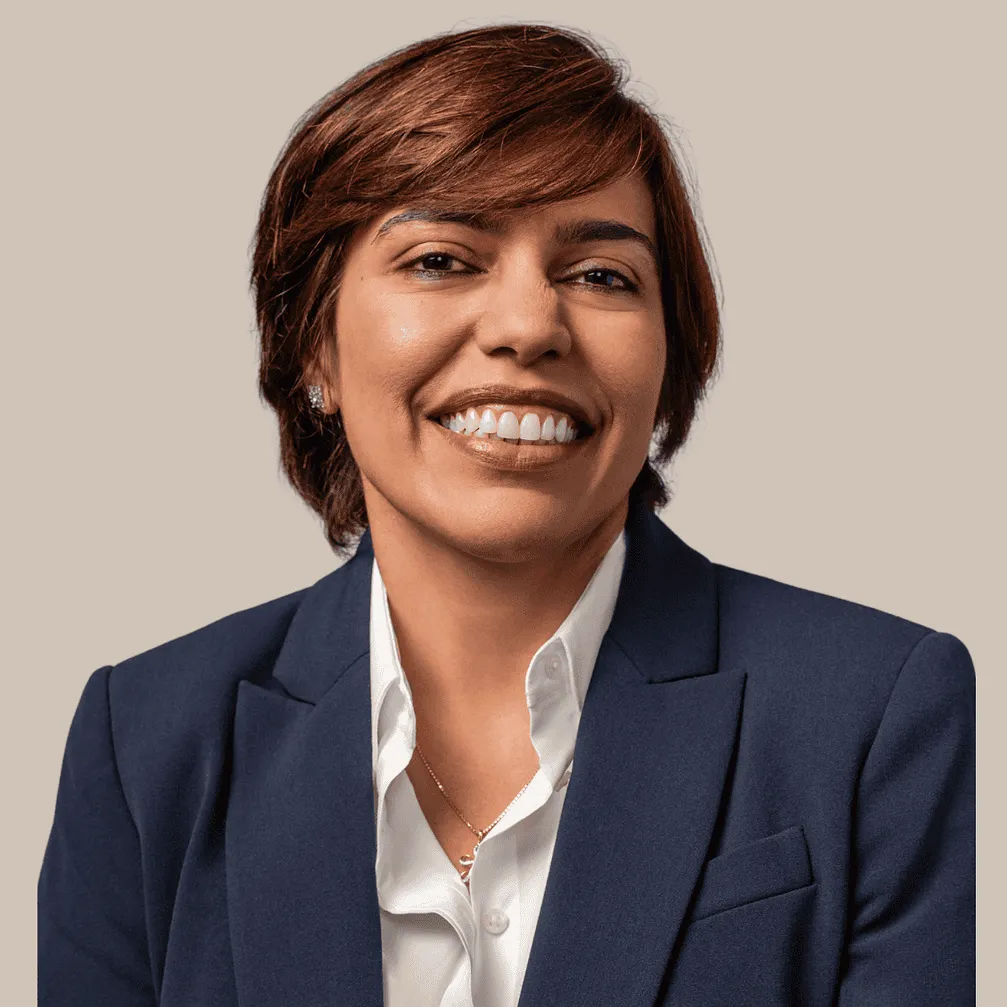
Rohini Jain
CFO, Bill
First CFO position: 2024
Notable previous employers:
- PayPal
- Walmart
- eBay
- General Electric
This interview has been edited for brevity and clarity.
SANDRA BECKWITH: Your experience encompasses manufacturing, e-commerce and fintech. What was your thought process as you changed industries?
ROHINI JAIN: I started in GE manufacturing, which provides the best-in-class finance training. Industrial manufacturing teaches you nitty-gritty operating rigor and discipline, plus the depth of finance overall.
I moved to tech companies when people I worked for earlier recruited me for positions offering the right growth opportunities. Especially in the first 10 years of my career, I was very well-mentored by leaders who advised me to take the role that would build the skills I needed to get where I eventually wanted to go, rather than the highest-paying job.
Why did Bill’s leadership think you were the right person for the job?
Experience scaling is number one. For example, when I joined PayPal, it was about $10 billion in revenue and had grown to $30 billion when I left after nine years. I have seen the kind of discipline and operational rigor it takes for a company to scale and operate at that level.
I also bring deep fintech expertise and an operational mindset. I’ve held roles outside of finance, including operations at PayPal, that have provided experience with how products get made, constructing a go-to-market strategy and the key challenges involved with all of it.
How does your international experience support your career?
I always encourage people to get this experience. Solving problems in a different country and culture does something to your brain as you work with situations you may not have envisioned. What you learn and your ability to solve problems grow exponentially.
Experiencing different cultures also contributes to how you work with diverse teams of people who think differently from you, too, because you’re more aware of cultural nuances.
Looking back on your career, what do you think was the most pivotal moment that has had a significant impact?
The only thing I hadn’t envisioned in my career path was becoming vice president and chief operating officer of PayPal Merchant Business. It was unplanned, but it was one of the most accelerated learning opportunities of my career.
Up to that point, I had a certain type of approach in terms of planning the business. But the operational role gave me a mirror that showed the finance function from the outside in. I could see all the things we do in finance that do not create an impact.
It also created empathy around how I thought about the issues people were bringing up regarding why they could or could not do certain things. It made me a different type of finance person.
What are you most proud of in your career?
The teams I have built — many of the people are making a real impact — but it’s also the people I have “collected” as mentors and guides. They look out for me and have my back, which makes me feel comfortable taking risks.
What advice would you give to others in finance hoping to become CFOs?
Focus on the outcomes you’re driving for the business versus the number of hours you’re putting in or how many things you’re trying to do in a day.
In addition, challenge yourself to get more into the strategy side while letting AI help. The more you lean into AI, the more time you have to be strategic and to think and problem-solve in ways that AI can’t.