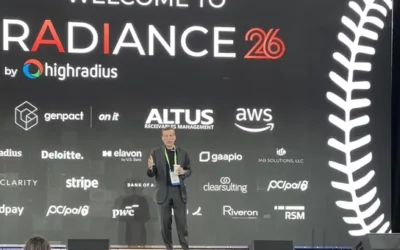
Speaking at a Sept 16. CFO Brew event in New York City, Erica Williams, former chair of the Public Company Accounting Oversight Board, outlined how finance leaders should approach compliance, auditing and technology oversight in a volatile environment. Here are some of her top insights from the discussion, broken down into seven parts.
1. Don’t assume deregulation means less oversight
Williams pushed back on the notion that today’s political climate gives CFOs more breathing room. She said, “A lot of people think that it is [a deregulatory environment], but I actually think that it’s deregulatory for some and it could be hyper-regulatory for others.” The theory behind deregulation, she added, is that “the market’s supposed to regulate itself, which puts even more pressure on your CFOs and your audit committees now than ever before.”
2. Remember that shareholder litigation never goes away
Even when regulators deprioritize enforcement, the risks for companies remain. “The statute of limitations is longer than any political winds,” Williams said, recalling her years defending clients in private practice. “The constant is shareholder litigation continues, and just because you might be in a government deregulatory type environment doesn’t mean a shareholder might not want to bring cases.”
3. Keep controls updated for today’s risks
Williams urged CFOs to reassess their controls regularly, arguing that annual reviews should be the floor, not the ceiling. “This is a time you want to make sure that you are doing a comprehensive annual assessment of your controls to make sure that they are fit for today’s [challenges],” she said. “You can’t use old tools when you have things like spoofing of emails and people doing deepfakes of those voices … used to conduct financial fraud.”
4. Build a culture that supports whistleblowers
She emphasized that organizational culture can make or break compliance. “A lot of times fraud occurs because of the culture of an organization and the incentives that are placed on employees,” Williams said. She noted employees will only speak up if they feel protected: “The best way to find out if there’s an issue is to have someone inside your company highlight that for you. They won’t do that if they feel that there’s a risk of retaliation.”
5. Treat AI as both an opportunity and a risk
AI is both a transformative opportunity and a dangerous blind spot, Williams said. “I know AI is something that everyone’s talking about, and it does have a great ability to provide benefits, but with that also can come substantial risk,” she warned. Now is the moment, she added, “to make sure that you are investing in oversight over the use of AI … if you don’t have that expertise in-house, [make sure] that you are looking for it outside.”
6. Hold external auditors to high standards
Oversight responsibilities extend beyond the company’s internal teams, Williams said. “This is a time to make sure that you are holding your external auditors accountable. You do so for the internal folks in your finance department. You need to do the same thing for your external auditor.” CFOs should be proactive, she added, by consulting inspection reports and asking pointed questions: “How much partner and manager time is actually going into my engagement? What’s the workload of the auditors who are working on my engagement? How many specialists do we have, industry specialists?”
7. Invest in compliance when times are tough
Williams closed with a warning not to cut compliance when budgets are tight. “Again, this is a time of economic volatility, and the economy is tight. But if you just looked historically, this is the time when fraud generally goes up,” she said. The solution, in her view, is continued investment: “That investment on the front end, I think, paid off on the back end, because you need less budget to honestly do your job.”