Kevin Bueso says a sense of purpose has kept him working in finance for the public sector for the last two decades.
Since he started as a finance assistant for Gurnee, Illinois, back in 2006, Bueso says it’s been his mission to ensure that “public dollars are producing real value for residents.”
“I have always been drawn to that connection between finance and impact,” he says.
After a stint as finance chief of the Chicago-area Regional Transportation Authority, Bueso in January stepped into yet another public role, this time as CFO of the village of Oak Park, Illinois, a community of just over 50,000 residents west of Chicago.
In an interview at his office in Oak Park Village Hall last month, Bueso talked through the nuances of public-sector finance, how he uses technology in his role and his take on the prevalence of municipal deficits.
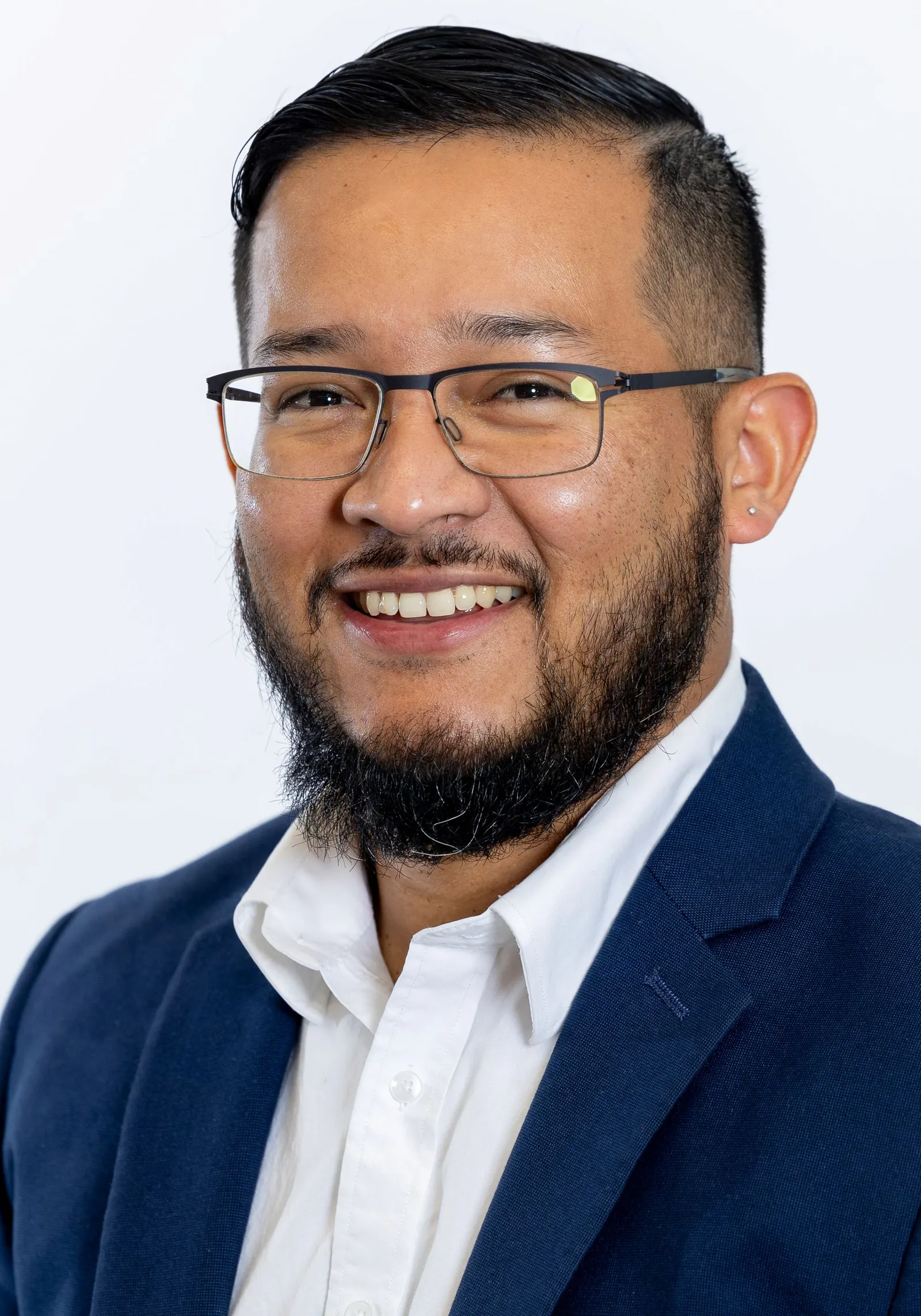
Kevin Bueso
CFO, Village of Oak Park, Illinois
Notable previous employers:
- Regional Transportation Authority
- McHenry County, Illinois
- Village of Round Lake Beach, Illinois
Editor’s note: This interview has been edited for brevity and clarity.
DAN NIEPOW: What would you say are some of the biggest challenges to running finance for local governments?
KEVIN BUESO: One of the biggest challenges is that local governments are being asked to do more with tighter margins for error. Costs are rising, expectations are rising and residents want both excellent service and affordability. At the same time, many governments are dealing with aging infrastructure, pension pressures, workforce constraints and in some cases outdated systems that make it harder to get timely, reliable information.
Another major challenge is that local government finance is both technical and relational. The best finance leaders have to translate complex fiscal issues into language elected officials, department heads, employees and residents can all understand.
What’s your approach to tackling bloat in public agencies?
I try to be very careful with the word “bloat,” because sometimes what looks like bloat is actually fragmentation, outdated processes, unclear accountability or the accumulation of decisions made over many years without a full redesign. My approach starts with asking a few basic questions: What is the mission? What work actually creates value? Where are we duplicating effort? Where are we adding approvals, handoffs, or reports that no longer serve a purpose?
From there, I focus on process discipline, organizational clarity, and technology. I have found that a lot of inefficiency in government is not caused by too many people as much as too many manual workarounds, too little integration and too little willingness to stop doing low-value work. The answer is not simply cutting. It is redesigning. In the best cases, you can reduce friction, improve service and free staff up to work on higher-value activities.
In a similar vein, Pew reported late last year that 20 of the 25 biggest cities in America are facing deficits. Why do you think that is, and what role might finance teams play in reversing that?
A big part of it is that many jurisdictions are now feeling the full effect of structural imbalance. Pandemic-era federal support is gone, revenue growth has normalized, and at the same time labor, insurance, construction and service-delivery costs have continued to climb. A lot of jurisdictions also got very happy with implementing long-term programs that are obviously beneficial to a community, but without a clear exit strategy when federal funding dried up.
One way finance teams can address this is through forecasting. What are finances going to look like in a year from now? Two or three years from now? Then, we’ve got to come up with scenarios. What happens if the economy stays as it is, or what if it tanks?
Finance cannot solve structural deficits alone, but it should absolutely be the function that helps organizations face them honestly and early.
You previously served as CFO of the Regional Transportation Authority, parent agency of the Chicago Transit Authority and the Metra commuter-rail system. What would you say are your biggest lessons learned from that experience?
My time at the RTA reinforced that when you are brought into an organization in a leadership role, you’re often being brought in to influence change, not to simply manage the status quo. In many cases, that change must happen very quickly, because there’s a structural deficit or operational pressures, for example.
That job also taught me the importance of combining technical competence with systems thinking. Financial decisions at the RTA had implications well beyond the finance department, and required coordination across multiple agencies. As CFO, you’ve got to build credibility and help an organization move forward with needed changes.
Finally, when you come in and build a staff, you have to future-proof the team. What are the tools they need now to get ready for change?
Looking back at your past roles, how would you say you knew when it was time to move on to your next finance job?
I pay a lot of attention to whether I’m still learning, still growing and being challenged. I want to continue contributing in a meaningful way. That matters to me. If those things aren’t aligning for me, that’s when I start to think about my next move.
And when an opportunity comes along that aligns with my values, expands my scope and lets me help lead an organization through an important moment, I am open to it.
Artificial intelligence continues to be all the rage in corporate finance. How are you using it in your own personal day-to-day and in your organization?
Forecasting is one example. I can use AI tools to build a 10-year forecast with three different scenarios, for example. I can tell a tool to generate something like that, and then I can start judging and making tweaks that are more localized and more meaningful to my community and government.
On LinkedIn, you include the hashtag #GirlDad. Why’s that?
I added that hashtag on my LinkedIn because it represents my No. 1 role in the world now. That is my focus and my goal in life. Whenever I interview for a position or whenever I talk to supervisors, the first thing I mention is that I do have a daughter. I want them to know there might be challenges, and we’re going to have to adjust.
Parenthood has also made me a better public servant. When you are raising a child, ideas like long-term planning, safety, quality of life and stewardship become much more personal.