A private equity-backed push for scale is driving Reddy Ice’s acquisition of Arctic Glacier Premium Ice from Carlyle, bringing together one of North America’s oldest and largest packaged ice distributors with a longtime regional competitor, Reddy Ice.
With Stone Canyon Industries Capital Partners — the PE sponsor of Reddy Ice — on the buy-side of the deal, the transaction includes required divestitures for SCI and Reddy Ice following a U.S. Department of Justice review and begins a new phase of integration planning across finance, operations and reporting for both organizations.
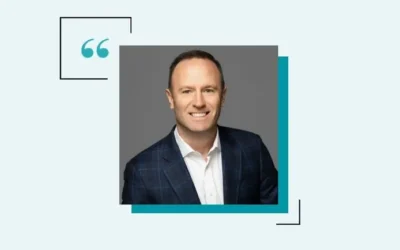
For Arctic Glacier’s CFO Stephanie Choudri, the deal reflects a value creation process that had been underway throughout both Carlyle’s ownership and her time there and amidst a growing trend of industry consolidation. Now, she shares her experience and announces her plans to step away following a short transition period.

Stephanie Choudri
CFO, Arctic Glacier Premium Ice
First CFO Position: 2014
Notable previous employers:
- CFGI
- DuJour Media
This interview has been edited for brevity and clarity.
ADAM ZAKI: Was there a specific moment that shifted your mindset from running the business to preparing it for a sale?
STEPHANIE CHOUDRI: I would say the spoiler alert is, it wasn’t an “aha” moment. I joined Arctic Glacier as a full-time employee in January 2024, knowing that there would be a transaction. Carlyle was very upfront about that. They were nearing the end of a very long-term hold and were very transparent with our CEO, Peter Laport. Because of that, it helped govern a lot of our focus and initiatives; everything was based on value creation.
The surprise was that it ended up being sold to a strategic buyer. Initially, everything was on the table. We were working with external advisors and expected to formally go to market, but conversations were always happening in the background. One of Carlyle’s managing directors had a very close relationship with someone at SCI, and these companies have essentially coveted each other for decades. It’s always been a goal of either company for them to combine effectively.
During diligence, what were the biggest financial details that required alignment between the two organizations?
We didn’t have to sell the story too much. These companies are highly complementary, even geographically. Every ice production producer and manufacturing distributor tends to service its own areas, so bringing the two companies together made a lot of sense.
“We kept the circle very small, and that was very intentional. Knowing this was going to be a sale to one of our largest competitors, we didn’t want to spark uncertainty or unrest across the organization.”

-Stephanie Choudri
CFO, Arctic Glacier Premium Ice
There’s always a learning curve when you’re dealing with external advisors. From both sides, Reddy Ice had external financial advisors supporting diligence, and we had our own advisors helping us through the quality of earnings and everything that followed. There’s always an element of explaining your general ledger accounts, the way transactions flow and how you account for certain items.
We did notice a lot of similarities, but there were differences in how we accounted for certain things or how we reported them on the face of the financial statements. A lot of the work during diligence was really about aligning those details.
How did you communicate the transaction internally while keeping day-to-day finance operations running?
We kept the circle very small, and that was very intentional. Knowing this was going to be a sale to one of our largest competitors, we didn’t want to spark uncertainty or unrest across the organization. For me, clarity reduces anxiety.
Even though the circle was small, the individuals who were brought under the tent didn’t fear change as much because they didn’t have that uncertainty. I was transparent with them, there was consistent communication and that helped build trust. During diligence, though, you’re still in this mode of doing your daily job while also cranking out supporting schedules, jumping on quality of earnings calls that can take hours out of your day and juggling what you can and can’t tell your teams.
For my two VPs who were involved, they had to be very discreet, even with simple things like what went on their calendars or how they explained certain meetings internally. The broader finance team knew we were working toward a transaction and going through early diligence, but they didn’t know who the buyer was. That balance between transparency and confidentiality was important because it allowed us to keep the business operating as usual while the leadership team worked through the process behind the scenes.
Are you planning to merge technology systems right away, or will both organizations stay on separate ERPs for now?
Coincidentally, Reddy Ice had just completed a major ERP upgrade itself right before close, which is actually great timing for them, but it also means they’re still working through that transition internally. Because of that, they made the decision to keep Arctic Glacier static for now and allow us to remain on our existing ERP environment rather than layering multiple changes on top of each other.
Our system is much older and was already on our long-term roadmap to be sunset, so from our perspective, this ultimately works out well. Instead of investing additional time and capital into upgrading independently, we’ll eventually transition into Reddy Ice’s ERP environment once the timing is right and the broader integration is more mature.
In the near term, we’ll continue operating within our current system while Reddy Ice imports our financial results into their broader reporting package and consolidates at the group level. That approach really comes down to risk management.
In my experience, it’s not best to integrate systems at the same time you’re integrating organizations. Keeping the ERP environments separate for now allows both teams to focus on the fundamentals, making sure the data is clean, aligning trial balance mapping and reporting structures and ensuring financial reporting stays consistent while the broader integration work continues.
Have you noticed any differences in expectations or operating cadence between Carlyle and SCI Capital Partners?
Rather than looking for a contrast, it’s more about consistency. Both firms share a commitment to disciplined growth and value creation. Carlyle’s focus was more on institutional rigor, building scalable processes, strengthening governance and positioning the business for long-term value, which really aligned with my mandate when I first joined.
With SCI, from what I’m seeing so far, the emphasis is more operational and execution focused. Being the buyer and now having closed the transaction, they’re looking to accelerate synergies, optimize the network and empower management to move quickly. So rather than a shift in direction, it feels more like a natural evolution; the strong foundation built under Carlyle’s sponsorship is now paired with SCI’s more hands-on approach to unlocking the next phase of value creation for the combined entities.
During a long transaction process, how did you manage new initiatives or ideas while keeping the organization focused?
There were definitely moments where someone would bring forward a great idea, and internally I’d think about how the transaction might ultimately impact it. This deal was in the works for over a year. In November 2024, the CEO and I had initial conversations with the buyer’s CEO and CFO, sharing high-level financial information and discussing aspects of our operating model, and then things continued to progress from there.
So, from then on until we filed with the DOJ, it really was business as usual. We were focused on our spotlight projects, business optimization and continuous improvement across our manufacturing and distribution models. It wasn’t until about mid-2025 that, as a management team, we had to start pumping the brakes on anything additional or ancillary to the transaction.
The team continued bringing forward great ideas, but we talked a lot about competing priorities. For me, that meant stepping back and asking, “Do we bring on a month-end close tool? Do we implement a working capital dashboard or management tool?” We had to evaluate what was vital to the organization now, but also what would remain relevant after the transaction closed. Even though those ideas were valuable, we had to be thoughtful about timing and whether they aligned with where the business was headed.
As integration moves forward, how are you aligning KPIs and managing potential risks across finance, operations and reporting?
From a data perspective, whether it’s financial or operational, I view finance as the connective tissue across the organization. Right now, we’re focused on comparing KPIs and making sure both businesses are aligned. While there are differences in distribution models or staffing approaches, production is largely the same; we’re freezing water to make ice, so many of the core metrics already translate well.
We’re looking at things like cost per route, production yield and safety metrics, along with network optimization on the logistics side and profitable growth within sales. Collaboration started early, and we’ve already brought key leaders together down to the director level to align on priorities and integration goals.
Even before close, we were sharing financial results and holding monthly calls so the buyer could understand how the business operates. The reporting package we prepared for Carlyle already included many of the metrics they expected, so there weren’t new KPIs or supplemental requests that materially changed our process. Because of that consistency, integration has felt more like continuity than disruption from a finance perspective.
What does your future look like now?
So candidly, I am moving on. I’ll be staying on for about 30 to 60 days to help with the transition and integration, working closely with my team and alongside the CEO and CFO at Reddy Ice. There won’t be much change to my day-to-day in the short term, but my focus now will be on supporting a smooth handoff.
I’m already speaking with potential opportunities. I really enjoy the middle-market, private equity-backed space. I like coming in, helping to optimize an organization and working toward value creation. A lot of that comes from my time in consulting, being able to step into a business, help tighten processes, improve financial results and ultimately help position a company for a successful transaction. For me, that’s always felt like a tangible way to add value, not just for the acquirer but also for the sponsor that’s exiting.