Until two years ago, nearly all of Todd Patriacca’s 30-year finance career was spent at just two companies.
With back-to-back undergraduate and master’s accounting degrees on his resume, Patriacca started in auditing at the then-Big Five accounting firm Arthur Andersen, where he stayed for almost a decade. Next, after three years as finance manager for a semiconductor company, he joined industrial products manufacturer Altra Industrial Motion a year after it was founded as vice president of finance, corporate controller and treasurer.
As the manufacturer grew, so did Patriacca’s experience with a range of finance experiences. He helped take the company public soon after joining. Then, nearly two decades later as CFO, treasurer and executive vice president, he helped guide its sale to a competitor.
Shortly after the 2023 acquisition, Patriacca joined global ophthalmic equipment manufacturer BVI Medical as CFO. He manages a finance team of about 65 people split between the U.S., Europe and BVI’s Center of Excellence in Poland.
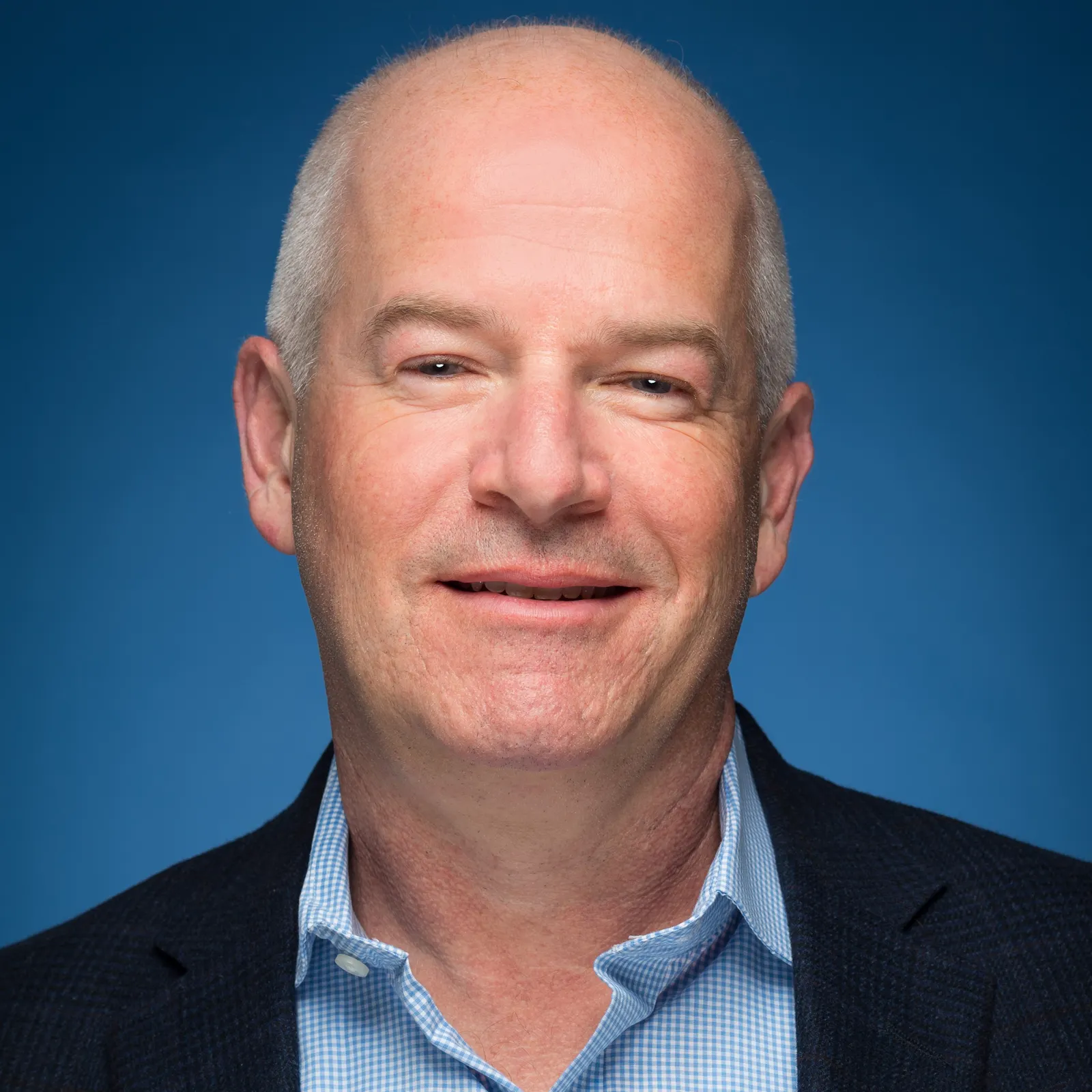
Todd Patriacca
CFO, BVI Medical
First CFO position: 2022
Notable previous employers:
- Altra Industrial Motion
- MKS Instruments
- Arthur Andersen
This interview has been edited for brevity and clarity.
SANDRA BECKWITH: You spent almost two-thirds of your career in senior finance leadership at Altra Industrial Motion. Why did you leave there to join BVI Medical, a smaller organization?
TODD PATRIACCA: The trigger was simple: We sold Altra to one of our competitors in early 2023. I started there when it was private-equity-owned, and we eventually took the company public. It was about a $300 million revenue business when I joined, and we grew it to around $2 billion.
I looked at other public company opportunities when I was leaving, but I really liked the dynamic and story behind BVI, which is private-equity-owned. I especially appreciated the culture — it was very similar to what we had at Altra, where it was entrepreneurial and not mired down in a lot of bureaucracy and hierarchical layers.
BVI was looking for a CFO from a different industry to bring a fresh perspective. What did you bring that management wanted?
A big part of it was my public company experience because it brings more transparency around financials for shareholders, analysts and others.
Accounting and finance at a private-equity-owned company like BVI are often very operational and EBITDA-focused, while a public company requires a strong focus on the balance sheet. BVI had some liquidity issues, so leaders wanted somebody with that balance sheet-focused expertise.
In addition, industrial manufacturing has lower margins — our CEO liked to say I was used to looking for pennies and nickels versus fives and tens — so I knew how to get into the minutia to figure out where we were leaking cash.
What’s your hiring philosophy, or what do you look for in candidates?
It depends on the finance area, but clearly on the accounting side, we try to hire people out of the Big Four or Big Seven accounting firms, especially for controllers and above. That’s because those who work in public accounting get exposed to different industries and people in ways that build a well-rounded individual who can ask the right questions, dig into things and take responsibility.
Depending on the role, we also look at whether it makes sense to find somebody from our industry. In certain regards, including FP&A, it’s helpful to have people who have medical device and especially ophthalmology experience.
What’s something you wish you’d known or done differently sooner?
It’s being willing to delegate. Early in my career, I was reluctant to transition something off, partly because it would take too long for the other person to get up to speed.
A mentor helped me see that you need the ability to release something so that it increases your capacity to take on more and continue moving forward.
Looking back on your entire career, what do you think was the most pivotal moment that has had a significant impact?
The most impactful was learning about Lean methodology when I joined Altra. Our CEO was a big advocate. I’m trying to replicate some of it in our Center of Excellence.
Also, we had a concept called “go and see” at Altra. The thinking was that you can’t manage a business sitting behind a computer screen. You need to go and see where the work’s being done. I encourage that with my staff today.
What advice would you give to others in finance hoping to become CFOs?
First, communicate where you’d like to take your career so your manager can help you get there. Then be willing to delegate some of what you’re doing so you have the capacity to learn what’s necessary to get there.
Next, hire the right people. With the right staff support, you’ll have the capacity to take on more.
Finally, be willing to go out and see where the work is done and how it’s being done. It could enhance your understanding of the business and present insights that will help you do a better job.