When a founder or CEO announces plans to start a nonprofit connected to the for-profit business, the conversation often begins with meaningful sense of purpose.
The initiative may be framed as a way to give back, align with the company’s values or formalize charitable work already happening informally. For finance leaders, the moment carries a different weight. A second legal entity is about to exist alongside the business, bringing regulatory obligations, governance expectations and reputational exposure that extend well beyond good intentions.
Once money, people or resources begin moving between the company and the 501(c)(3) nonprofit, the CFO becomes responsible for ensuring the structure can withstand scrutiny from boards, regulators, donors and the public. In that context, the CFO’s role is to make sure the foundation is sound before mission and momentum take over.
Across interviews with nonprofit finance leaders, attorneys and advisers, a clear theme emerged; CFOs add the most value at the beginning of the process, when they help leadership define scope, design governance and establish financial guardrails. Experts also stressed that CFOs need to understand which operational and financial elements of the nonprofit must remain separate from the for-profit business from day one.
Strategy before structure
One of the most common early missteps CFOs encounter is treating nonprofit formation purely as an administrative exercise. “A 501(c)(3) is a structure, not a strategy,” said Patton McDowell, a nonprofit consultant working as senior director of leadership initiatives at Armstrong McGuire & Associates. He added that the legal steps are relatively straightforward, and it’s the planning that precedes them that is not.
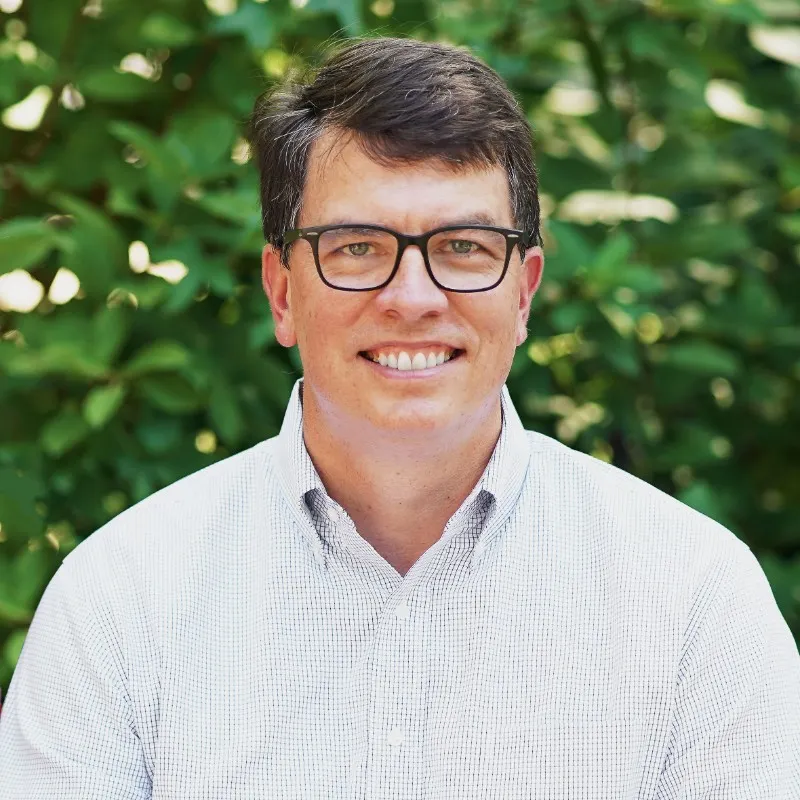
“You can fill out the paperwork, but that does not mean you’ve done the work,” McDowell said. He added that organizations often move forward based on intent without fully understanding the problem they are trying to solve or whether similar efforts already exist in the community.
From a CFO perspective, those questions surface quickly. Due diligence around mission overlap, community need and long-term sustainability becomes critical when the nonprofit’s purpose closely aligns with existing organizations. “Funders are wary of organizations starting foundations when they’re not ready,” McDowell said. “They want to know why this exists and how it adds value.”
Jessica Manivasager, a shareholder at Fredrikson & Byron and chair of the law firm’s Nonprofit and Tax-Exempt Organizations Group, said CFOs should push leadership to define the nonprofit’s operating model early. “Some corporate foundations only give money to other charities,” she said. “Others run programs, hire staff and hold events. Some do both. That decision drives complexity, cost and controls.”
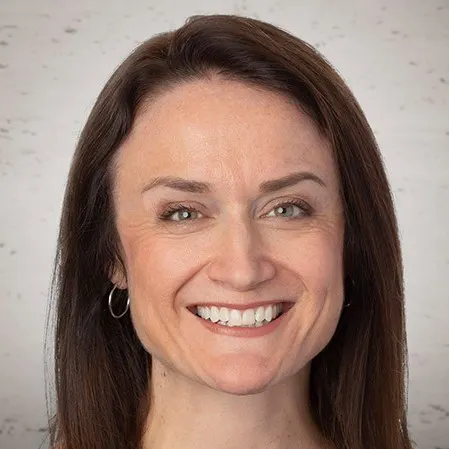
Manivasager said CFOs often challenge the assumption that nonprofits require less planning than for-profit ventures. “It’s not expensive to form a nonprofit and apply for tax-exempt status,” Manivasager said. “The real work starts when you ask where the money comes from, how much it will take and whether the business is prepared to support it year after year.”
Candice Holcomb, former CFO of the nonprofit group Generation West Virginia and now a finance manager at 100 Degrees Consulting, said the earliest conversations around this topic between CFO and CEO should focus on clarity of purpose and scope. “What problem are we solving, and what gap are we filling?” she advised CFOs to ask. “It’s equally important to define what we’re not doing. Focus is what keeps nonprofits financially viable.”
Holcomb said that support must be modeled explicitly. “There are legal costs, compliance costs and staffing costs,” she said. “Forecasting matters. Scenario planning matters. A CFO has to help leadership understand what a sustainable first year looks like before ambition expands faster than resources.”
Leadership hiring decisions follow the same logic. McDowell cautioned against prioritizing passion alone. “A nonprofit is still a business,” he said. “Good nonprofits generate surplus so they can do more mission. You want leaders with management and financial acumen, not just enthusiasm.”
The importance of proper governance and separation
Governance is where the nonprofit discussion becomes real for finance leaders. John Luis, interim CFO, adviser and founder of Arbor Lane, has lots of experience across public companies, private equity portfolios and high-growth startups. He described the conversations CFOs and CEOs must have when constructing these entities in blunt terms.
“If the nonprofit is using company space or staff, that needs to be clearly articulated and approved…funders lose confidence when it feels informal or undisclosed.”

Patton McDowell
Senior director of leadership initiatives, Armstrong McGuire & Associates
“You’re running two separate businesses,” he said. “They have different governance, legal and reputational risk. You don’t mix the two.” From his perspective, the most important early decision is treating the nonprofit as a standalone entity, even when it is closely connected to the for-profit business. Separate books, separate oversight and clearly defined boundaries help prevent good intentions from creating unintended exposure.

That separation extends beyond accounting mechanics. Luis said governance failures often begin when roles, approvals and reporting lines are left informal. “This is where the CFO stays non-emotional,” he said. “You make a recommendation, you explain the risk and you bring legal counsel into the discussion.” The objective, he added, is to formalize the grand ideas that the CEO may have around the nonprofit’s vision. “You define parameters. You document roles. You create a structure that holds up.”
Oversight is central to that structure. Manivasager said CFOs should confirm early that the company’s board understands and supports the initiative. “Running a corporate foundation takes company resources,” she said. “The board should understand and support that commitment.” Board overlap between the company and the nonprofit is common, she said, particularly in early stages, but independence still matters when decisions involve shared resources or potential conflicts of interest.
Shared space and shared services are often unavoidable when a nonprofit is first launched. McDowell said these arrangements require clear documentation, defined approvals and ongoing oversight. “If the nonprofit is using company space or staff, that needs to be clearly articulated and approved,” he said. “Funders lose confidence when it feels informal or undisclosed.”
Manivasager said shared resources should be treated as formal transactions, with independent directors reviewing and approving decisions involving leased space, reimbursed services or shared employees on behalf of the nonprofit. Clear processes, she said, help demonstrate fiduciary discipline and reinforce the organization’s credibility with donors, regulators and the public.
Leadership appointments can further test governance systems, particularly when personal relationships are involved. Manivasager said these situations require clear procedures and independent oversight. “The question is whether the nonprofit has procedures to evaluate qualifications, manage conflicts and document how decisions are made,” she said. “Independent directors matter when those decisions are scrutinized.”
Luis said these conversations are among the most delicate a CFO navigates, particularly in founder-led or closely held companies. “Anytime a CFO is saying no, it can feel personal,” he said. In his view, the CFO’s role is to slow the process down if needed and shift the focus to governance. “That’s why you have to stay non-emotional.”
Luis said structure is what allows CFOs to proceed responsibly early on. “You document the roles and create the box everyone operates in,” he said. In situations involving spouses and family members of the for-profit firm’s leadership being appointed to executive positions within the nonprofit, he said strong governance, policies and reporting lines become ways to avoid those situations entirely. “If you want [the nonprofit] to hold up, you need governance that can stand on its own,” he said.
Holcomb said CFOs are often the first to recognize how perception shapes risk. “You have to think about how someone in a leadership position looks to donors, regulators and employees,” she said. “Even if someone is capable, there needs to be a clear governance process that explains why that [hiring] decision was made and how accountability works.”
How involved is too involved?
As governance structures take shape, another question emerges for finance leaders: How close should the CFO remain once the nonprofit is established? The risk exists at both extremes.
“You’re running two separate businesses…there has to be an absolute firewall.”
John Luis
Interim CFO, adviser and founder, Arbor Lane
Several advisers emphasized that CFO involvement is most valuable early, when the nonprofit’s foundation is being built. That includes defining the operating model, modeling funding requirements, designing controls and helping the board understand its responsibilities. Without that early discipline, structural weaknesses often take hold before leadership recognizes them.
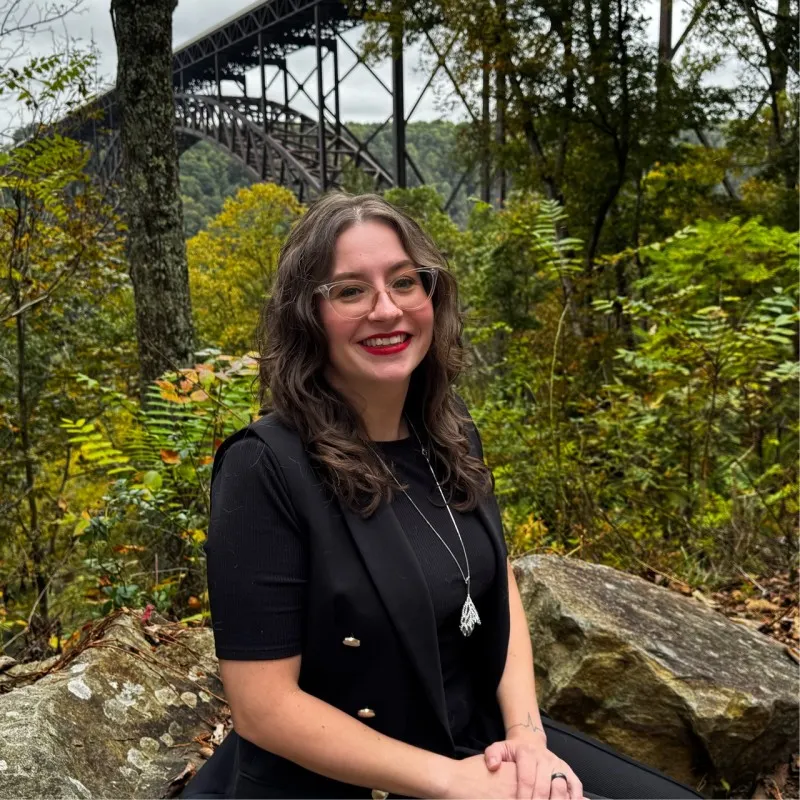
Holcomb described that phase as inherently hands-on.“A CFO has to help leadership understand what a sustainable first year looks like,” she said.
That evolution matters because prolonged CFO involvement can create a different set of risks. Advisers cautioned that when the parent company’s finance leader remains deeply embedded in nonprofit operations, independence can erode, even unintentionally.
“You’re running two separate businesses,” Luis said. “There has to be an absolute firewall.” Separate boards, audits and books, he said, are not formalities. “They’re the mechanisms that protect governance, manage risk and make sure neither organization compromises the other.”
McDowell reinforced that point from the funder perspective. “Funders want to see independence,” he said. “They want to know decisions are being made in the best interest of the mission.” Excessive corporate control can raise questions, he said, even when the intentions are sound.
Manivasager noted that the legal framework supports this. She said early CFO involvement helps establish policies, address conflicts and structure shared services appropriately. Over time, those safeguards are meant to operate without constant intervention. “The goal is to create a system that governs itself,” she said.
Sustainability and the CFO’s long-term role
Strong governance does not, on its own, ensure long-term success. Across interviews, all sources said financial sustainability is where many nonprofits struggle, particularly after early enthusiasm fades or corporate priorities shift.
Costs tend to be underestimated as programs expand and expectations rise. “Every stage of growth adds overhead,” Holcomb said. “If you grow faster than your infrastructure, sustainability becomes harder.” Revenue concentration is often one of the earliest pressure points. “If one funding source disappears, can the organization survive?” she said.
That risk makes multi-year planning essential. Nonprofits require the same forward-looking discipline as for-profit businesses, Holcomb said. “You can’t manage this year to year,” she said. “You need to understand where funding comes from over several years and what happens if conditions change.”
Much like in the private sector, growth itself is rarely the issue, according to McDowell. “The risk is growth without oversight,” he said. “That’s when nonprofits outgrow themselves and mistakes happen.”
Legal and regulatory exposure also increases as organizations scale. Manivasager said scrutiny often emerges at the state level. “Federal audits are rare for corporate foundations,” she said. “State attorney generals are much more active, especially when complaints arise from employees, volunteers or community members.”
Interviewees also emphasized that CFOs should consider the value of alternatives and other like-minded organizations. Partnering with existing nonprofits can advance the same mission while limiting operational and compliance burden. “If you can advance the mission without building new infrastructure, partnerships are usually the more sustainable path,” Holcomb said.
But, tread carefully here, because for CFOs, the responsibility is not to stop purpose-driven initiatives, but to give them structure. As Luis put it, “Be supportive, but be structured.”