David Ring got his first taste of manufacturing when he worked for accounting firm Baker Tilly Virchow Krause in the early 2000s.
Though he was exposed to clients across several industries there, he says the manufacturing sector was the most intriguing to him. So much so that his first and only CFO job to date has been with Oconomowoc, Wisconsin-based manufacturer Sentry Equipment, which he joined back in 2012.
The company, which got its start over a century ago as a maker of equipment for the dairy industry, today produces a range of products used by other manufacturers, including sampling equipment and oil separating devices. It employs about 200 people around the United States and in 2025 crossed the $75 million revenue mark, Ring says. Sentry Equipment is employee owned, which Ring describes as being “like a publicly traded company, without all the red tape.”
In an interview with CFO.com in late December, Ring shared the career path that led him to Sentry, why he’s stuck with manufacturing for so long and his take on automation and artificial intelligence.
David Ring
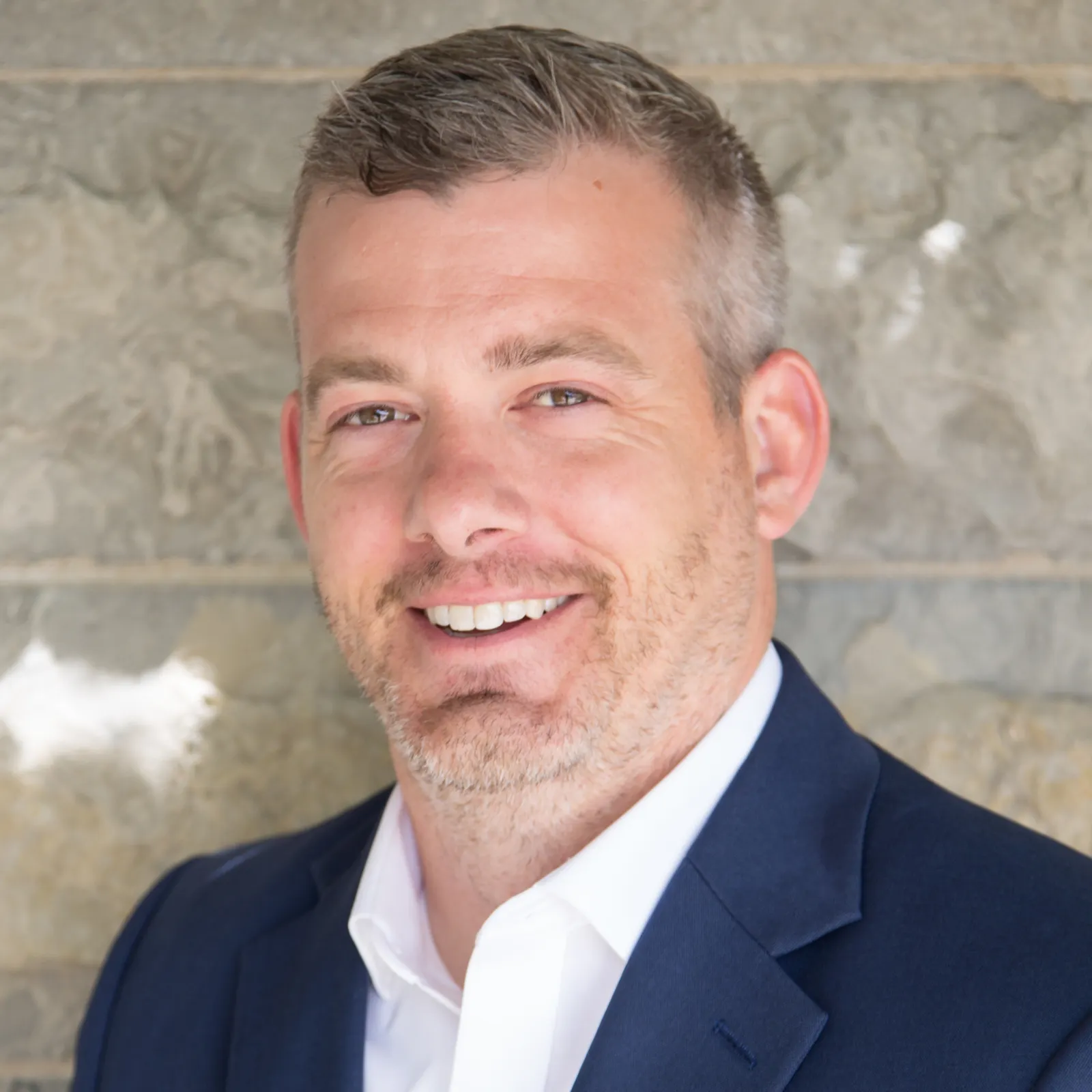
CFO, Sentry Equipment
First CFO position: 2012
Notable employers:
- Baker Tilly Virchow Krause
This interview has been edited for brevity and clarity.
DAN NIEPOW: You’ve been a manufacturing CFO for over a decade now. What’s kept you in the industry that long?
DAVID RING: Prior to this job, I was in public accounting, where they divvied everybody up and put us in different sectors. The largest sector at the firm that I worked for was manufacturing distribution. I happened to land in that sector, though I did see various other types of industries with clients I had over time.
I heard a statistic recently that if manufacturing were its own economy, it would be the ninth-largest economy globally. And given Wisconsin’s history in manufacturing, I’ve always enjoyed working at a contributor to the industry. You get a little taste of everything in the manufacturing industry, and you’re often on the cutting edge of new technology.
Automation, in the form of artificial intelligence tools, is making its way into more and more jobs, including white-collar ones. As an executive working in manufacturing, where automation has long been at play, what’s your take on this new wave of automation?
Personally, I think it’s a phenomenal opportunity to supplement work that’s already being performed. It’s true that a large amount of the automation focus over the years has been aimed at the shop floor, and now it’s kind of turning that focus into the office-type work, which totally makes sense. If it’s done right, it’ll lead to much more rewarding work being performed on the office side of the house.
We’re still hearing lots about labor shortages across many industries, including healthcare and manufacturing. Are you seeing any such shortages?
Being a manufacturer, we’re often lumped into the same trends that you’re seeing. And while we do see some challenges from time to time, I find that being employee owned allows us to separate ourselves. We pride ourselves on the culture and benefits we offer here. I think that enables us to get through some of these labor challenges a little bit better than our peers.
You earned your MBA from Marquette University. What led you to pursue that degree?
As an undergrad, I completed a dual major in finance and accounting. That got me the 150 credits needed at the time for a CPA. The MBA, though, was always intriguing to me because I love learning.
I’ve always understood that in order to be the most effective individual in finance and accounting, you need to be more operational and strategic versus just looking at numbers. You have to be able to tell the story to make the changes you want in a business. An MBA gives you a broad understanding of those areas.
What would you advise accounting students these days?
About a year ago, I gave a presentation to some students, and I prefaced it by saying that, regardless of your background, you have to be passionate about what you do. Over the course of a lifetime, about a third of your time will be spent working, so if you’re not passionate about what you do, it’s going to be a long, hard road.
Specifically for accounting students, it’s not different. You’ve got to be passionate about what you do.
What’s the best piece of professional advice you’ve been given that sticks with you today?
I can’t say there’s any one thing, but something that I’ve been kind of reflecting on more frequently lately comes from author and motivational speaker Steve Jones, whom I met a couple of years ago. He wrote the book The Twin Thieves: How Great Leaders Build Great Teams. Ultimately, he sheds light on the two “thieves” of failure and fear of judgment.
You’d be surprised how often you’re conflicted with those two things on a daily basis. But his argument is that if leaders tackle these fears head on, there’s potential for a lot of personal and team growth. This idea is something I’ve reflected on over the years, and I use it to drive me.