Growing up, teaching was all Eric Sprys knew because it was all he saw. Generations of Sprys across the family tree and in his immediate family were teachers. It was his legacy, it seemed. So, he joined them.
Not long after graduating from college, though, Sprys realized the innate analytical skills that made him choose secondary math education could be useful in other careers, too. That pivotal discovery led him to get an MBA with an accounting concentration while still teaching. Ready for a change after five years in the classroom, Sprys put down the graphing calculator and joined Ernst & Young as an auditor.
Some 30 years later, with a career that spans finance positions with public and private companies, small start-ups and large corporations, Sprys is now CFO and executive vice president of the Allegheny County Airport Authority, which includes Pittsburgh International Airport.
He joined the airport authority in 2017 as chief commercial officer after serving as CFO at A. Stucki Company and Kadmon Pharmaceuticals. He was named to his current position in 2020.
Eric Sprys
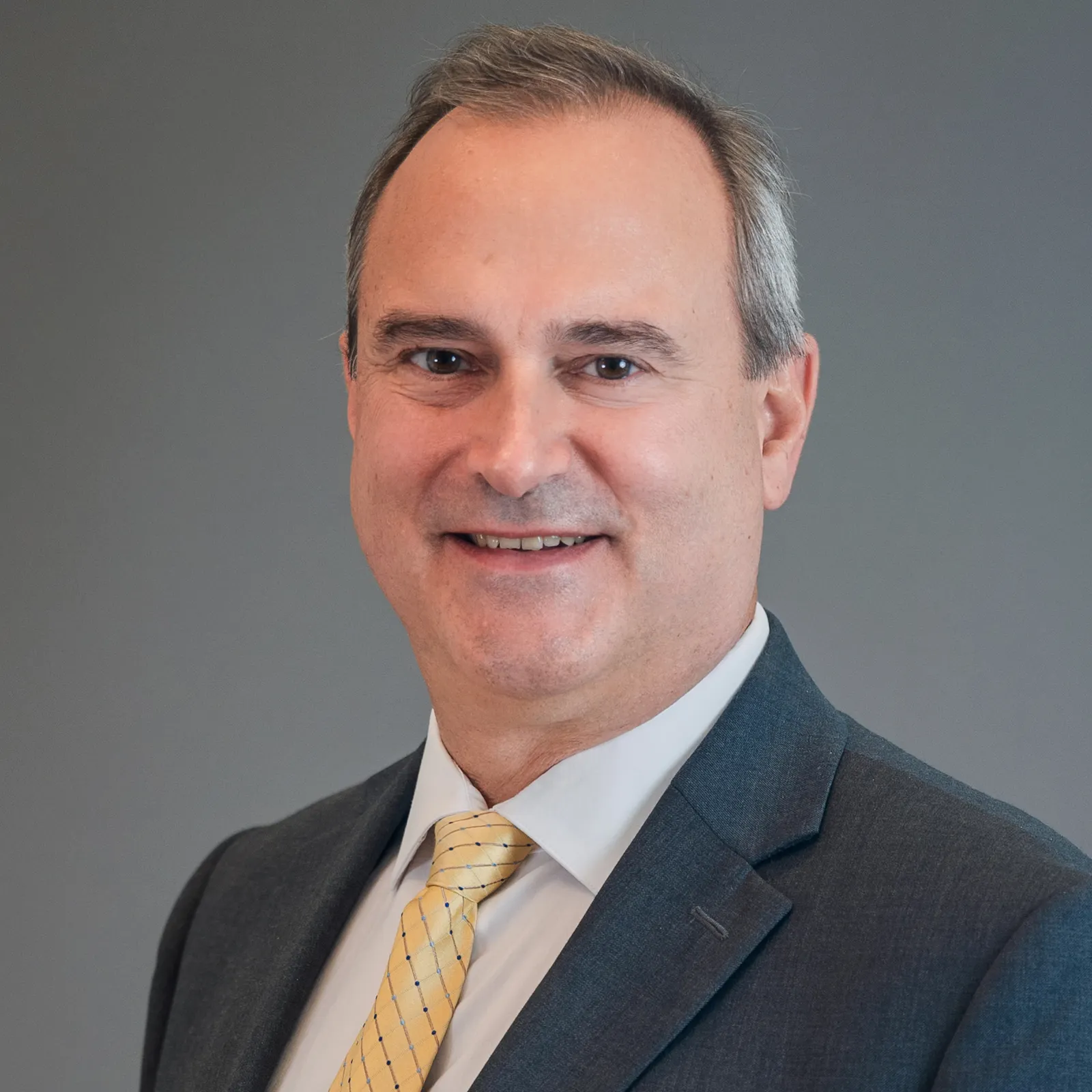
CFO and EVP, Allegheny County Airport Authority/Pittsburgh International Airport
- First CFO position: 2007
- Notable previous employers:
- A. Stucki Company
- Kadmon, a Sanofi Company, formerly Three Rivers Pharmaceuticals
- Tegrant Alloyd Brands, formerly SCA, formerly Tuscarora
- Ernst & Young
This interview has been edited for brevity and clarity.
SANDRA BECKWITH: Why did you leave teaching for finance?
ERIC SPRYS: Teaching is in my blood, but I like change, which means routine really wears on me. And there’s a lot about teaching secondary math that’s routine. Every 42 minutes when the bell rang, I stayed in the same place as students changed classes. I delivered the same lesson three or four times a day. I had the same schedule the next day, and the next week, and the next month, then started over the next year.
Around the time things began to feel uncomfortably routine, I learned about other career possibilities. I went back to school for an MBA, was exposed to subjects I never encountered as an undergraduate, and discovered accounting. So, while I loved teaching, I left to join Ernst & Young as an auditor.
You were CFO at Stucki before joining the airport authority as chief commercial officer. Why that position? And how did it lead to being named CFO?
SPRYS: I actually interviewed for the CFO role, but didn’t get it. Later, the CEO and HR head asked if I’d be interested in the chief commercial officer position. They thought I had the right personality, experience, and attitude for the job.
It didn’t take me long to decide. I’d been working in finance for around 25 years by then, and, as mentioned, I embrace change, so I welcomed the opportunity to do something different and learn something new. I was named CFO three years later when my predecessor retired.
How does your background affect how you do your job, and how might it differ from someone who came to that role with different experiences?
SPRYS: My career is a combination of all my experiences going back to when I was teaching, and that’s probably one of the most unique things about it. How lucky was I to spend five years in public school teaching and learning how to motivate so many children with different lives, personalities, and attitudes every day? It was good training for my CFO role, which also requires motivating people.
Teaching math also helped me learn how to explain things in layman’s terms and in a relatable way. I can describe complex financial information in a language that the listener can understand, whether that’s with our board of directors, at a staff meeting, or with others who just aren’t finance people.
What part of the CFO’s job is more difficult for you because of your background?
SPRYS: I’m wired to work hard, and that has led to so much success. But there are times when I need to get out of that mindset. I’m not going to succeed here as CFO by just working harder to accomplish more. There’s just too much to do. I need to mentor and build a team rather than trying to do everything myself.
What’s the easiest?
SPRYS: I can look at a situation calmly, rationally and analytically. I can remove the emotion, partly because I already have experience with so many things that come up.
It’s also easy for me to look at a problem and break it down into manageable components. Then I can work with those around me to figure out a solution.
What advice would you give to others in finance hoping to become CFOs?
SPRYS: Find ways to create value beyond your role by volunteering to help solve problems or to help other departments. Step up when something needs to get done. In addition, when things become too routine, shake them up. Embrace change and volunteer for unique opportunities.
Finally, find a mentor, and tell them about your ambitions so they can help you get there